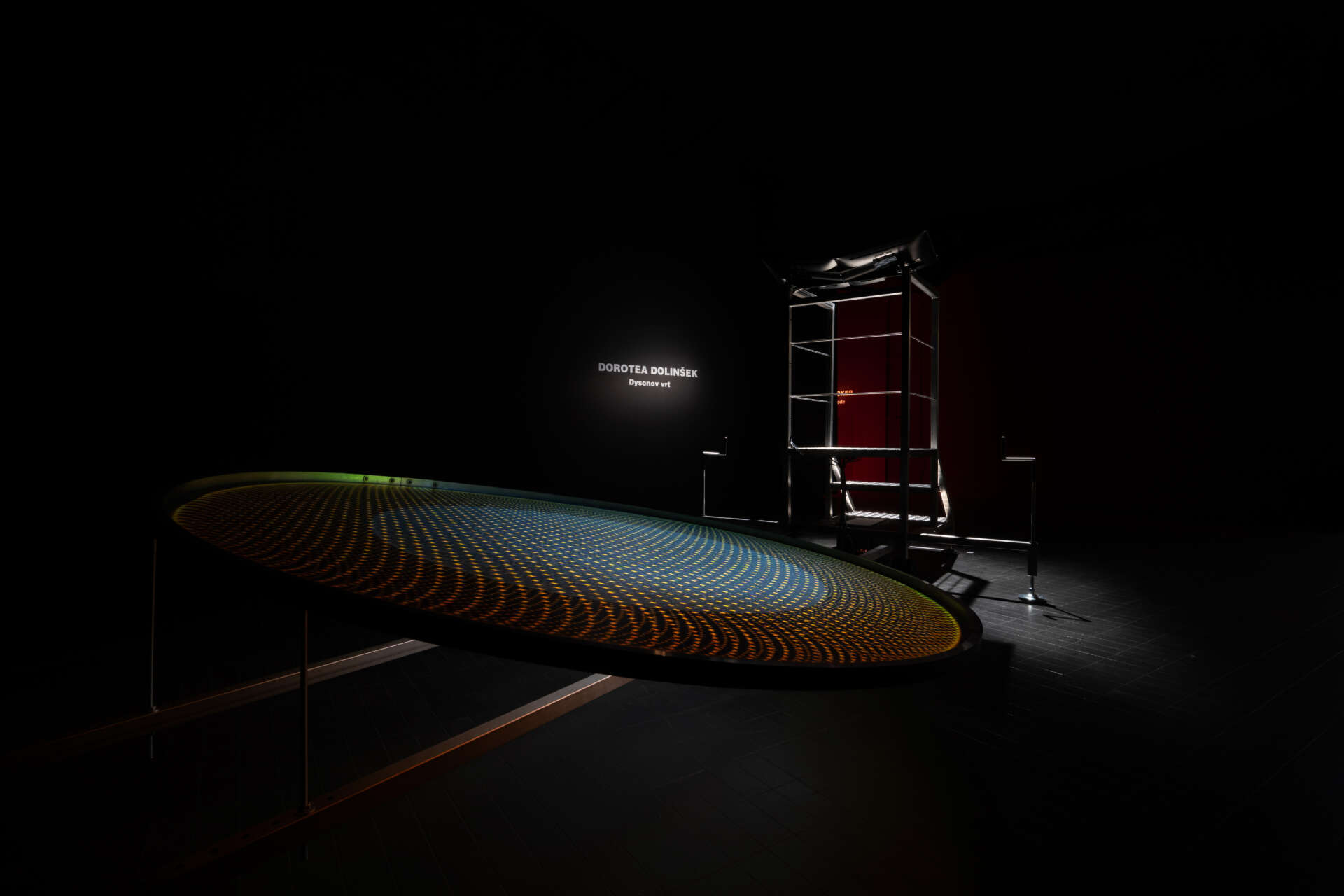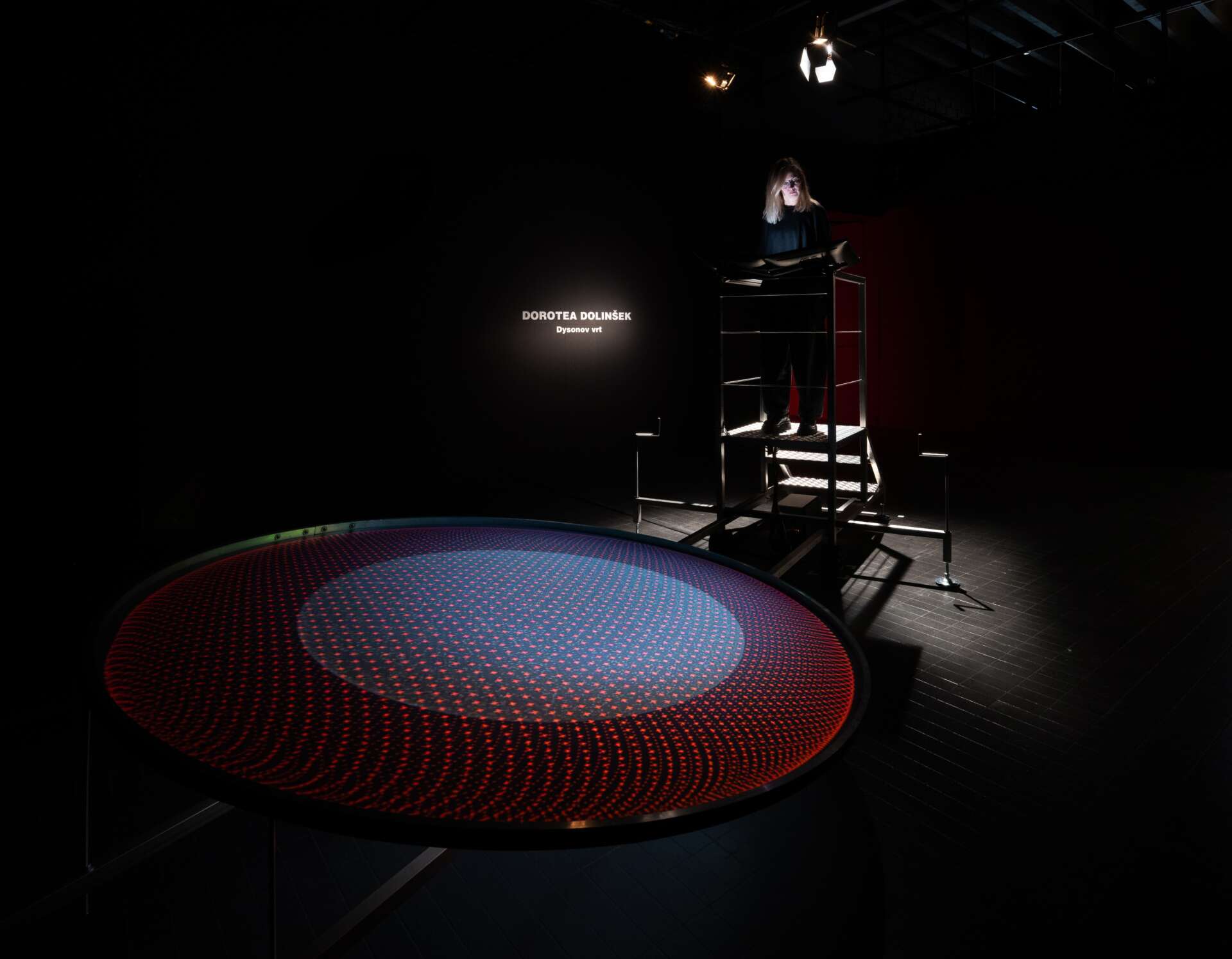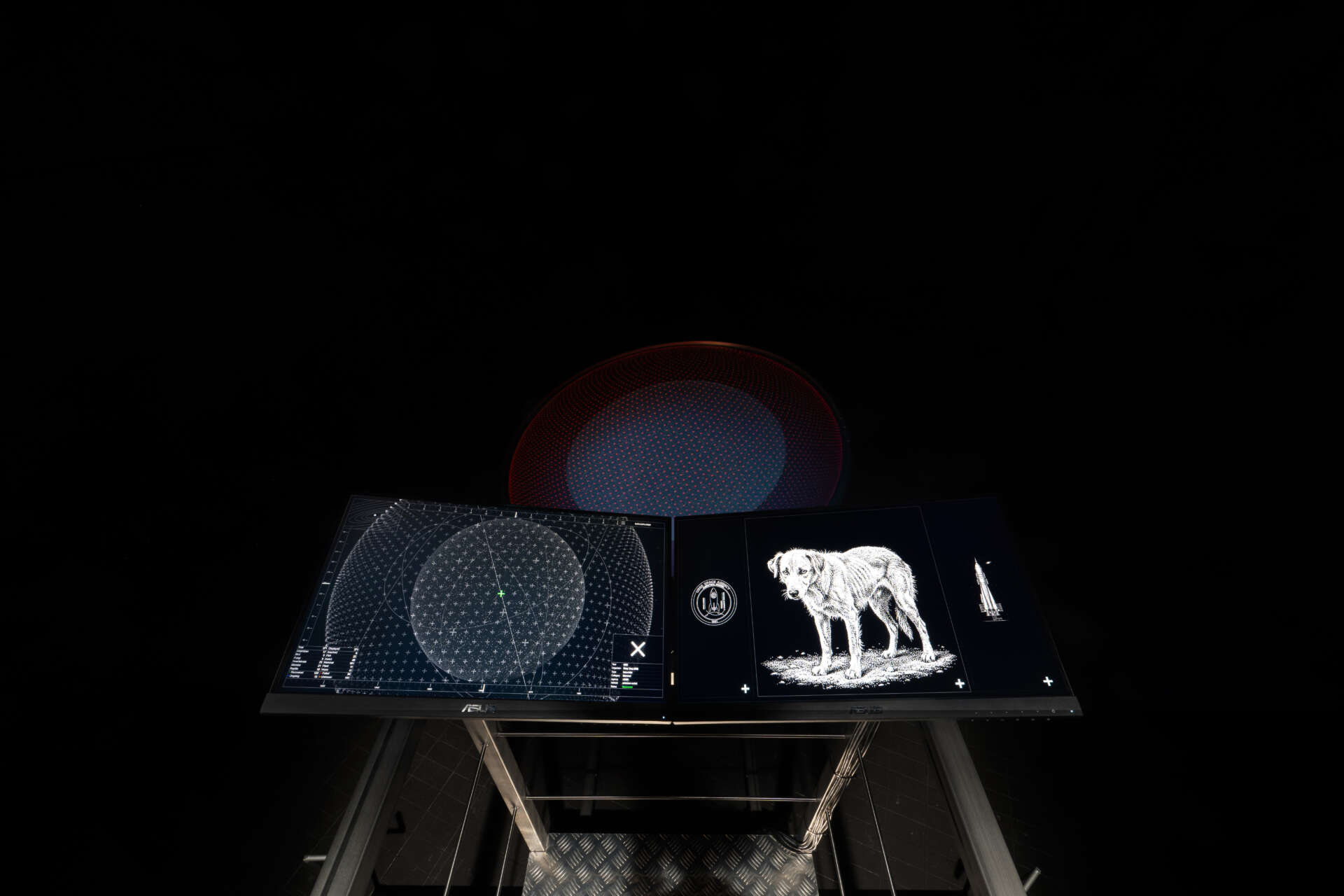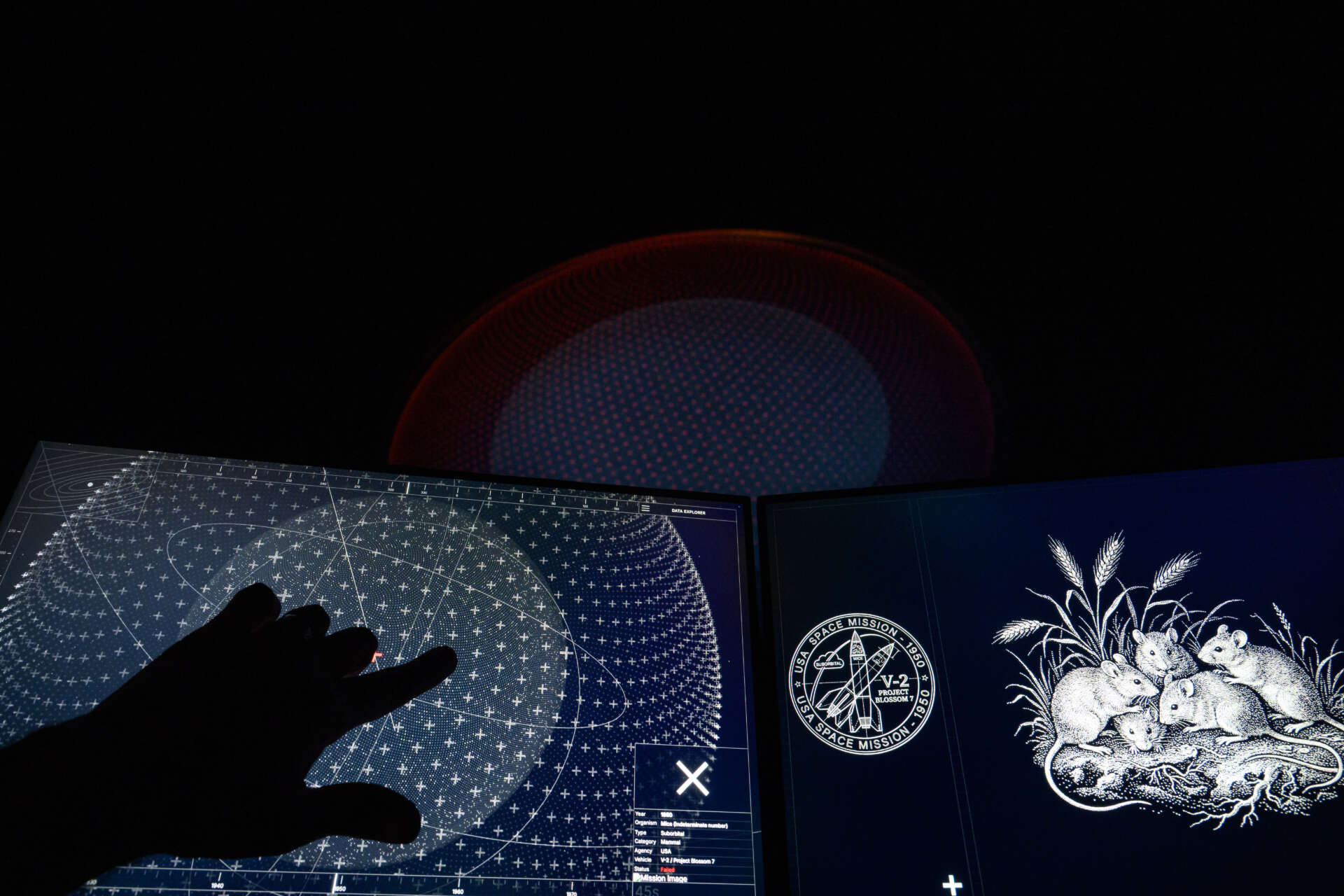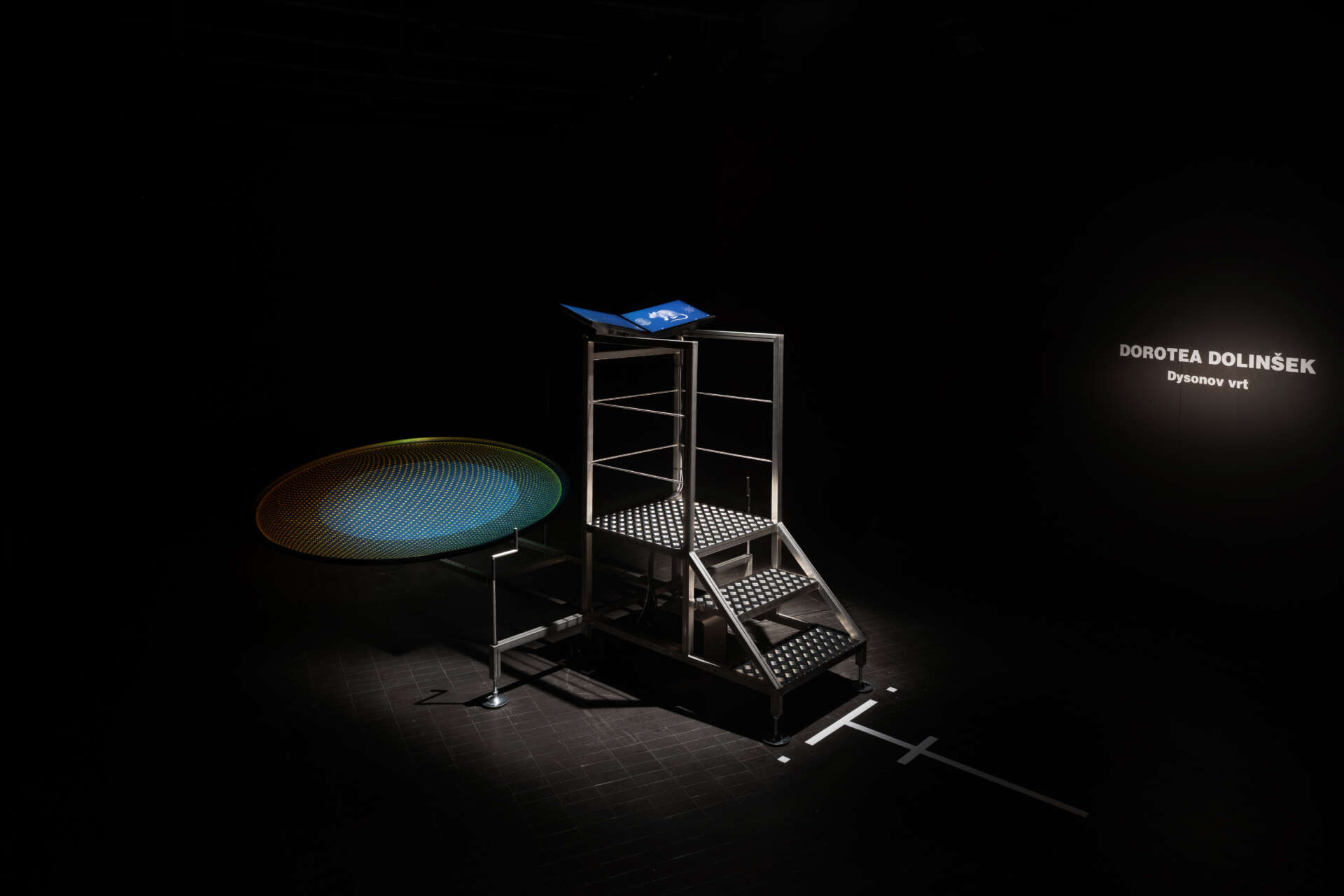
Project Dyson’s Garden reveals a blind spot in human space exploration: the silent and systematic presence of non-human organisms sent into orbit above Earth even before the first human ventured there. Animal, plant, fungal and microbial bodies, included in early experiments in aviation and rocket technology, served as experimental passengers to test biological responses to the harsh conditions of flight and living outside Earth, enabling subsequent human presence in space. Many of them still orbit the planet today as organic remnants of fatal space programs, which, in the spirit of the necropolitics of space agencies, continue with new experiments across the entire spectrum of astrobiology in radical environments. Despite their constitutive role in the development of extraterrestrial living conditions, they remain primarily treated in historical narratives and space law as consumable infrastructure of scientific and technological progress.
The artist places the Dyson Garden project in the gap that accompanies human expansion into space and uses conceptual apparatus to problematize anthropocentric narratives of exploration. Based on extensive research of fragmented archives, clumsy reports, and scattered scientific records, the exhibition complements this archive of non-human astronauts. The author calls them zoonauts, phytonauts, micronauts and myconauts, not as taxonomic categories, but as a political-linguistic attempt to inscribe non-human life into the history of space travel. Based on the collected archive of non-human participants in space travel, three perspectives intertwine: the institutional perspective, in which life is reduced to protocol and measurability; the perspective of organisms that develop survival strategies in extreme conditions; and the perspective of the rocket as a technological body that, with its materiality and limitations, co-shapes their destinies. This triangle reveals earthly colonial patterns of thought and their transfer into orbital space.
The project shifts the focus from research centered on the human subject to a relational understanding of life as an intertwined, more-than-human ecosystem. Artificial fabrication serves not as escapist fiction, but as a tool for reconstructing possible stories and as a laboratory for imagining future extraterrestrial ecologies.